

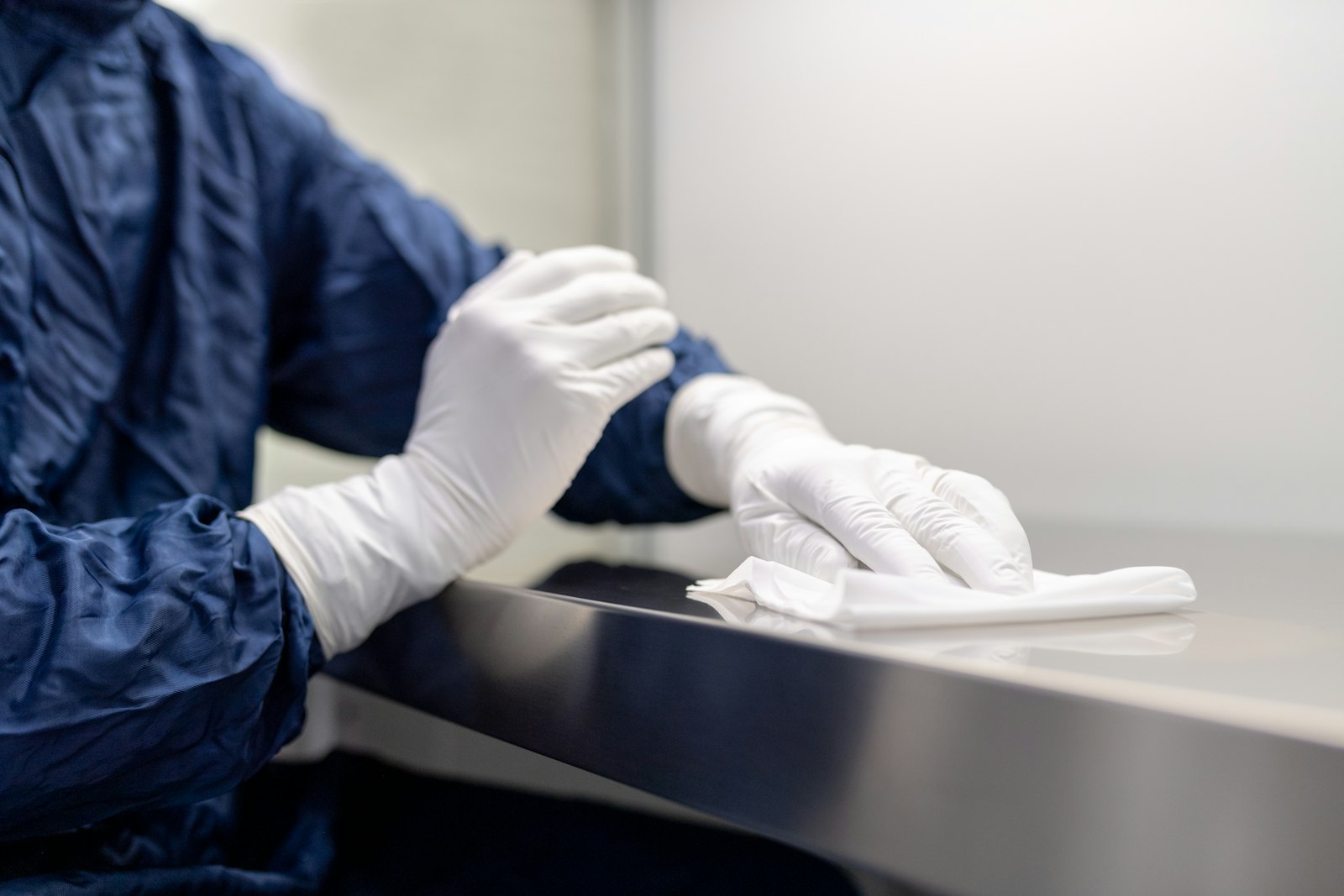
When a cleanroom needs a full bio-decontamination, after a shutdown, a construction job or a contamination event, the choice usually comes down to two families of hydrogen peroxide systems: vaporised hydrogen peroxide (VHP) and dry fogging. Suppliers of both will show you a log-reduction figure. The figures are not always measured the same way, and the right choice depends more on the room and the reason for decontaminating it than on the headline number.
How each one works
VHP generators flash-vaporise a hydrogen peroxide solution, typically around 30 to 35 %, and deliver it as a gas. The room is often dehumidified first so that more peroxide can be held in the air before it condenses. The cycle runs through conditioning, injection, a dwell period and aeration.
Dry fogging systems break a hydrogen peroxide solution, sometimes combined with peracetic acid or other actives, into very fine droplets, usually below 10 µm. The droplets are small enough to stay airborne and bounce off surfaces rather than wetting them, which is where the name comes from. Distribution relies on the fogger's output and the room's air movement.
Comparing the efficacy claims
VHP efficacy is normally demonstrated with biological indicators, spores of Geobacillus stearothermophilus at a population of about 106, placed at worst-case positions. No growth means at least a 6-log reduction at that point.
Airborne surface disinfection by fogging is often tested to the French standard NF T 72-281, which sets required reductions by organism type: 5 log for bacteria, 4 log for yeasts and moulds, and 3 log for spores. That does not make fogging weaker or VHP stronger by definition. It means the numbers come from different tests, and you should compare like with like, ideally with biological indicators in your own room.
Things that decide the choice
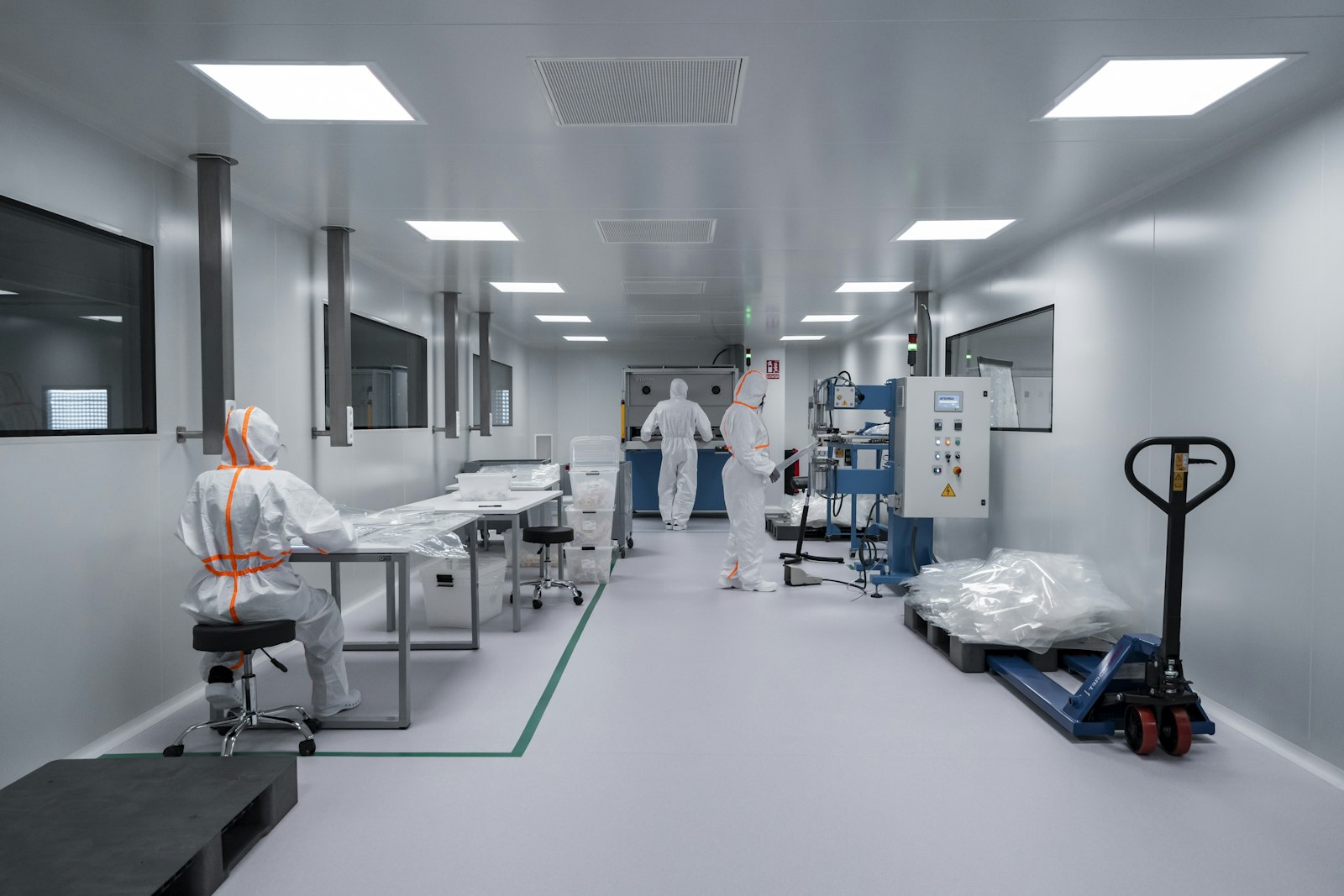
- Room size and shape. Large or complicated spaces with many corners and equipment surfaces need very good distribution. VHP systems with distribution fans handle this well. Fogging works best where several units can be placed to cover the space.
- Materials. Peracetic acid is more aggressive to some metals and elastomers than hydrogen peroxide alone. Check sensitive equipment, electronics and HEPA filter media.
- HVAC. Most cycles need the room isolated from the air handling during injection and dwell. Plan how dampers will be closed and how the room will be sealed.
- Time. Aeration often takes longer than the kill phase. Rooms with good extract can be returned to use faster.
- Frequency. A one-off shutdown decontamination and a routine weekly cycle may justify different equipment.
Validating the cycle
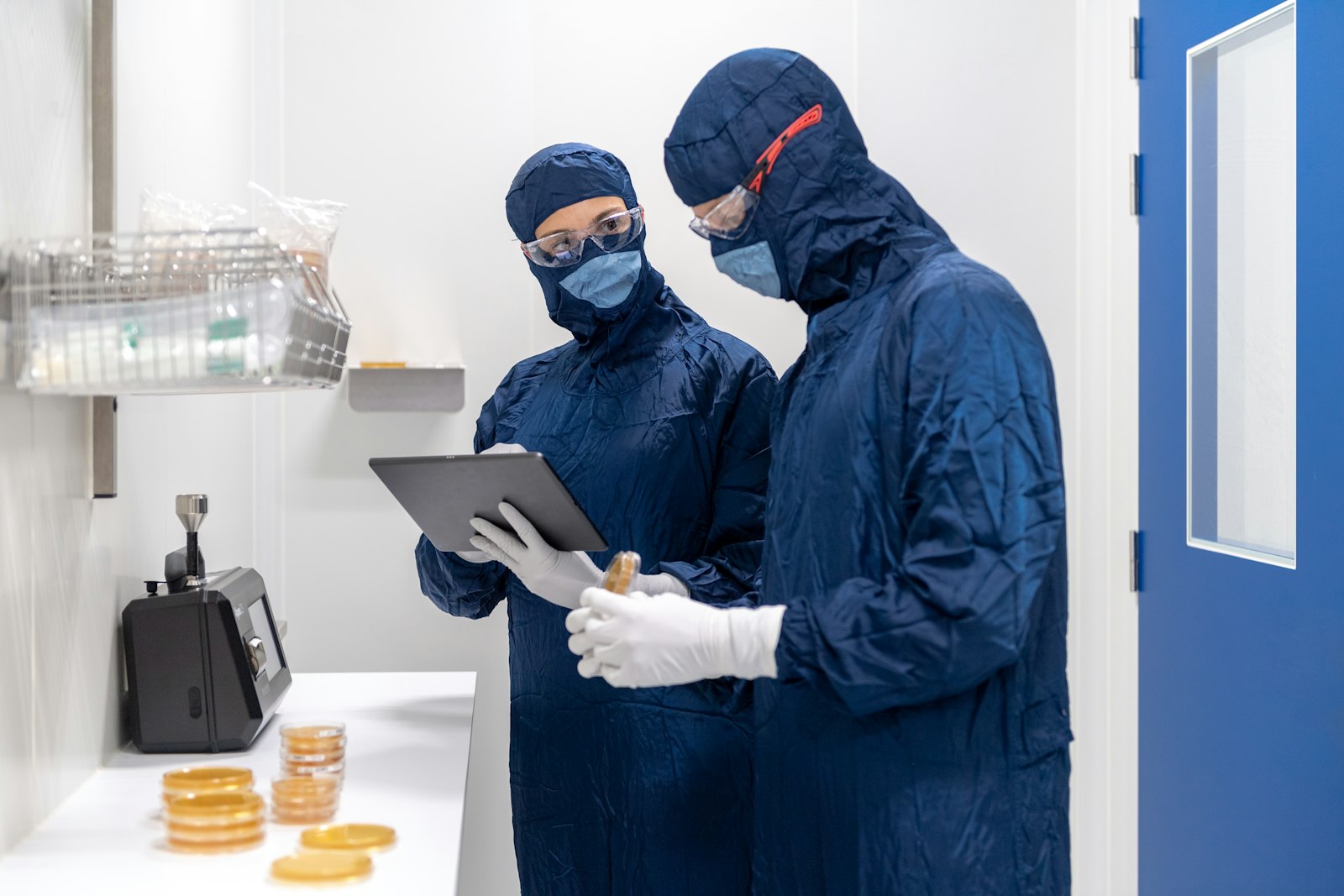
Whatever the method, the validation looks similar. Define the room and its condition, the cycle parameters, and the positions for biological and chemical indicators, including the hardest places to reach: under benches, inside cabinets that will be open during the cycle, behind equipment. Run the cycle, incubate the indicators, and repeat to show it is reproducible.
Chemical indicators are useful for mapping where the peroxide reached and in what quantity. They are not a substitute for biological indicators when it comes to proving kill.
Safety and re-entry
Hydrogen peroxide is an irritant at low concentrations. Many jurisdictions set an occupational exposure limit of 1 ppm averaged over a working day. Re-entry should be based on a measured concentration below that limit, with a handheld sensor at several points in the room, not on the cycle clock alone.
A good decontamination programme is one where the method, the validation and the routine checks all agree with each other. The technology is the easier part.

 GAMP Services Limited 2026. All Rights Reserved.