
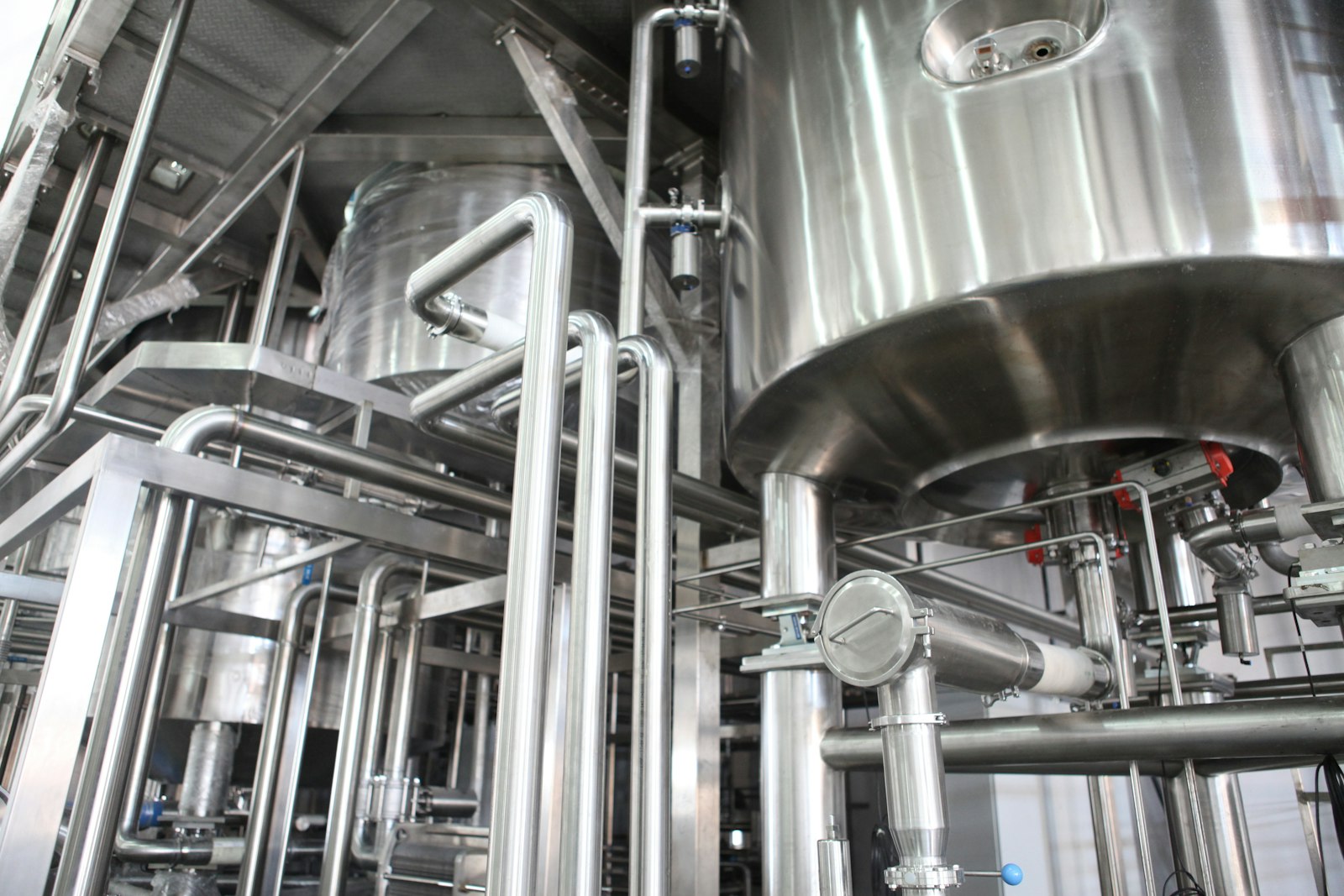
A purified water system is qualified like any other piece of equipment up to the end of OQ. After that it is different. You are no longer proving that a machine works. You are proving that a living system, with biofilm waiting to form on every wetted surface, keeps producing water of the right quality day after day, through maintenance, sanitisation cycles and the change of seasons. That is why water PQ is run in three phases over the better part of a year.
Where the three phases come from
The approach goes back to the FDA's guide to inspections of high purity water systems and is set out in WHO guidance on water for pharmaceutical use. Most regulators expect something close to it. The durations below are the usual ones. Your validation plan should say what you are doing and why.
Phase 1: two to four weeks of intensive sampling
Sample every day at every point of use and at key points in the treatment train: after pretreatment, after reverse osmosis or EDI, the storage tank, the return of the distribution loop. Test chemical and microbiological attributes.
The aim is to show the system produces water of the required quality consistently, and to settle the operating, cleaning, sanitisation and maintenance procedures. Water produced in this phase is not used for manufacturing.
Phase 2: another two to four weeks
The intensive sampling continues, now with the procedures from phase 1 in force. The point of phase 2 is to show the system stays in control when it is run the way it will be run in routine operation. If phase 1 needed changes to the procedures, phase 2 is where you prove the changes worked.
Phase 3: one year
Once phase 2 is complete, sampling drops to the routine frequency, and the water can be used for manufacturing. Phase 3 runs for a year so that the data covers seasonal effects: feed water quality changes with the monsoon, and higher summer temperatures favour microbial growth in some parts of the system.
At the end of phase 3, the data is reviewed as a whole, and alert and action levels are confirmed or adjusted based on what the system actually does.
What to test
- Conductivity, measured to the pharmacopoeial method, online where possible.
- Total organic carbon, with a limit of 500 ppb for purified water and water for injections in the main pharmacopoeias.
- Microbial count. For purified water, 100 CFU per mL is the commonly used action level. Many sites set tighter alert levels from their own data.
- Bacterial endotoxins, where the water is water for injections or is used in products where endotoxin matters.
- Other attributes from your monograph and process needs, such as nitrates or heavy metals for incoming water.
Pitfalls
- Sampling only from convenient points, rather than the ones furthest from the tank or with the lowest flow.
- Sampling straight after sanitisation, when counts are at their lowest.
- Using sampling techniques that differ from how production draws water, such as flushing for a long time before taking the sample.
- Ending phase 3 without a proper data review, so alert and action levels stay at the values guessed during design.
A water system that has been through all three phases properly is one of the best-understood systems on site. That understanding is worth more than the report.

 GAMP Services Limited 2026. All Rights Reserved.